

The cannabis industry operates within a complex framework of measurements, regulations, and cultural traditions that span decades of evolution. Among the most fascinating aspects of cannabis history remains the development of informal measurement systems that emerged during the counterculture movement of the 1960s and 1970s. The "lid" represents one of the most significant and enduring measurement traditions in cannabis culture, serving as both a practical solution and a symbol of community ingenuity during an era when cannabis commerce operated entirely outside legal frameworks.
The Origins of the Cannabis Lid
The term "lid" emerged during a period when cannabis users and distributors faced significant legal risks and practical challenges. During the 1960s and 1970s, digital scales remained expensive and largely inaccessible to average consumers. More importantly, law enforcement agencies often considered the possession of scales as evidence of drug dealing intent, creating additional legal jeopardy for individuals involved in cannabis commerce.
Cannabis communities developed the lid measurement system as an ingenious alternative that utilized readily available household items. The measurement derived its name from the actual container lids used in the process, typically sourced from coffee tins, tobacco cans, or similar cylindrical containers. These lids provided a standardized measurement tool that remained consistent across different sources and geographic locations.
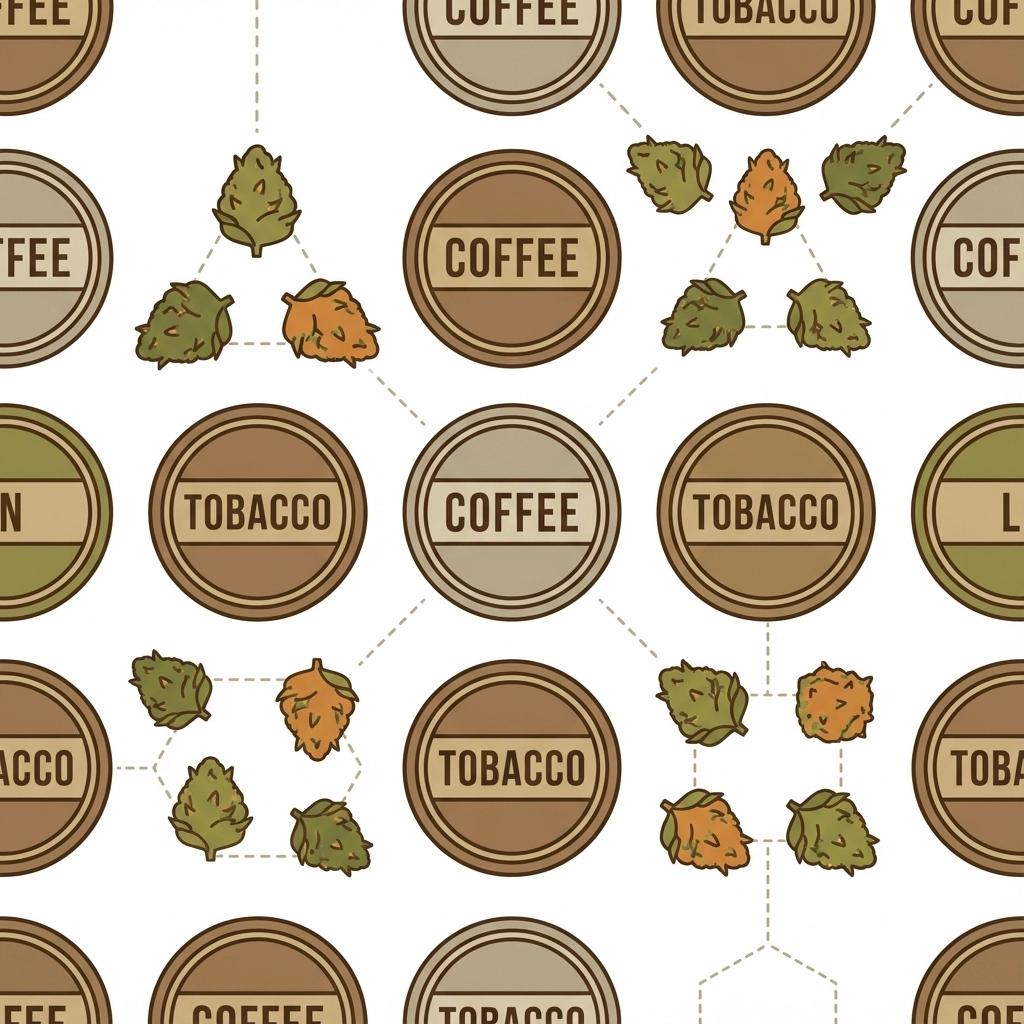
The practical implementation of the lid system involved filling the container lid with loose cannabis flower and transferring the contents to a bag or other storage container. This method typically yielded between three-quarters of an ounce to a full ounce of cannabis, depending on the density of the flower and the size of the lid used. The system's effectiveness stemmed from the standardized manufacturing of common household containers, which ensured relatively consistent measurements regardless of the specific lid source.
Cultural Significance in Cannabis Communities
The lid measurement system transcended mere practicality and became deeply embedded in cannabis culture and community identity. The informal nature of the measurement reflected the broader counterculture movement's rejection of established institutions and formal structures. Cannabis users embraced the lid system not only for its convenience but also as a symbol of community self-sufficiency and creative problem-solving.
The cultural importance of the lid extended beyond measurement precision. The system created a shared language and understanding among cannabis users across different regions and social groups. This common measurement framework facilitated commerce and communication within cannabis communities while reinforcing group identity and solidarity during a period of intense social and legal pressure.
Cannabis culture of the 1960s and 1970s emphasized community, sharing, and collective experience. The lid measurement system aligned perfectly with these values by prioritizing accessibility and practicality over precision and formality. The informal nature of the system reflected broader cultural attitudes toward authority and established institutions while demonstrating the creativity and adaptability of marginalized communities.
Evolution to the Finger Method
As cannabis distribution methods evolved and plastic bags became more widely available, the traditional lid measurement system adapted to new packaging realities. The emergence of ziplock bags and other flexible containers led to the development of the "finger method," which maintained the spirit of the original lid system while accommodating new packaging technologies.
The finger method involved measuring cannabis by the width of fingers pressed against a bag filled with flower. Distributors and users could specify "three-finger" or "four-finger" quantities, with the measurement taken horizontally across the width of the bag. This system provided a visual and tactile measurement method that required no specialized equipment while maintaining reasonable consistency in quantity.

The three-finger measurement became particularly popular due to its balance between quantity and affordability. A three-finger bag typically contained enough cannabis for multiple uses while remaining accessible to individual consumers rather than larger distributors. This measurement struck an optimal balance for personal use quantities while avoiding the legal risks associated with larger amounts.
Technical Aspects of Lid Measurements
Understanding the technical specifications of lid measurements requires examination of the physical properties of both the measurement tools and the cannabis flower being measured. Traditional coffee tin lids measured approximately three to four inches in diameter with a depth of roughly one-quarter inch. When filled with average-density cannabis flower, these containers yielded between 20 to 28 grams of material.
The variation in lid measurements depended on several factors including flower density, moisture content, and the specific size of the container lid used. Indica-dominant strains with denser bud structure typically produced slightly heavier lid measurements compared to sativa-dominant varieties with more airy flower structure. Moisture content also significantly affected weight, with properly cured cannabis producing more consistent measurements than overly dry or moist flower.
Cannabis dealers and users developed techniques to maximize consistency in lid measurements. These methods included gentle compression of flower within the lid, standardization of moisture levels, and preference for specific container brands known for consistent lid dimensions. The community-driven nature of these standards demonstrated the sophisticated informal systems that emerged within cannabis culture.
The Decline of Traditional Measurements
The transition toward legal cannabis markets gradually reduced reliance on informal measurement systems like the lid. Legal dispensaries adopted metric measurements and standardized packaging requirements that prioritized precision and regulatory compliance over cultural tradition. Digital scales became affordable and widely available, eliminating the practical necessity that originally drove the development of alternative measurement methods.
State regulations typically mandated specific packaging and labeling requirements that made traditional measurement methods incompatible with legal commerce. Pre-packaged products in standardized quantities replaced the flexible, informal measurements that characterized underground cannabis markets. The shift toward legal frameworks prioritized consumer protection and regulatory compliance over cultural continuity.
Despite these changes, many cannabis users maintained emotional connections to traditional measurement systems that represented important cultural and historical experiences. The lid and finger methods embodied a sense of community, creativity, and resistance that remained meaningful even as legal markets provided more convenient alternatives.
Groth Industries and the Three Fingers of Freedom Campaign
Groth Industries recognizes the cultural significance of traditional cannabis measurement systems and their importance in cannabis community identity. The upcoming "Three Fingers of Freedom" campaign represents an innovative approach to honoring cannabis heritage while adapting traditional practices for modern legal markets.

The campaign acknowledges the historical importance of the three-finger measurement while creating new products and experiences that celebrate cannabis culture and tradition. Groth Industries understands that cannabis consumers value authenticity and cultural connection alongside product quality and convenience. The Three Fingers of Freedom initiative bridges the gap between historical cannabis culture and contemporary legal commerce.
This campaign reflects broader trends within the cannabis industry toward recognition of cultural heritage and community tradition. Legal cannabis businesses increasingly understand that successful market positioning requires acknowledgment of the cultural foundations that sustained cannabis communities during prohibition periods. Groth Industries positions itself as a brand that respects and celebrates these foundations while providing modern, compliant products and services.
Modern Applications of Traditional Measurements
Contemporary cannabis businesses can incorporate elements of traditional measurement systems while maintaining compliance with legal requirements. Educational initiatives, marketing campaigns, and product naming conventions offer opportunities to honor cannabis heritage without compromising regulatory adherence. These approaches allow businesses to connect with consumers who value cultural authenticity and historical awareness.
Product packaging and marketing materials can reference traditional measurements while clearly displaying required legal information. Educational content about cannabis history and culture creates value for consumers while demonstrating brand knowledge and community connection. These strategies position businesses as culturally aware and community-oriented rather than purely commercial enterprises.
Groth Industries demonstrates how modern cannabis businesses can successfully integrate cultural references with contemporary market practices. The Three Fingers of Freedom campaign exemplifies this approach by celebrating traditional measurement methods while promoting current products and services that meet all legal requirements.
The cannabis lid represents more than a historical measurement system. It embodies the creativity, community, and resilience of cannabis culture during challenging historical periods. Modern cannabis businesses that acknowledge and celebrate this heritage create stronger connections with consumers while contributing to the preservation of important cultural traditions.
How will your cannabis business honor the cultural heritage that made today's legal markets possible?