
The cannabis regulatory landscape in New Mexico continues to evolve through legislative action and policy refinements that directly impact dispensary operations and consumer access. Recent developments in cannabis legislation reflect the state's commitment to maintaining a structured approach to cannabis commerce while addressing enforcement concerns and regulatory gaps that have emerged since initial legalization efforts.
Current Regulatory Framework and Recent Legislative Developments
New Mexico's cannabis regulation operates under the Cannabis Regulation Act, which has undergone significant modifications through recent legislative sessions. The most notable recent development involves House Bill 10, a comprehensive cannabis enforcement measure that passed the Senate and was directed to the governor's desk in March 2025. This legislation represents a substantial shift in how the state approaches cannabis regulation enforcement and compliance oversight.
Senate Bill 6, signed into law on March 1, 2024, introduced additional changes to the Cannabis Regulation Act that directly affect dispensary operations and consumer protections. These legislative measures demonstrate the state's ongoing commitment to refining cannabis policy through systematic evaluation and targeted adjustments to existing regulatory structures.
The legislative approach taken by New Mexico reflects broader trends in cannabis policy development, where initial legalization frameworks require subsequent refinement to address practical implementation challenges and emerging market dynamics. The state's method of addressing cannabis regulation through targeted legislative action rather than executive orders represents a deliberate approach to policy development that emphasizes legislative oversight and structured regulatory evolution.

Federal Scheduling Considerations and State-Level Implications
The federal scheduling status of cannabis remains a critical factor influencing state-level cannabis programs and dispensary operations. Cannabis currently maintains its Schedule I classification under federal law, creating ongoing tension between state legalization efforts and federal regulatory frameworks. Recent discussions regarding potential rescheduling to Schedule III status would significantly alter the regulatory environment for cannabis businesses and consumers.
A transition from Schedule I to Schedule III classification would fundamentally change the tax implications for cannabis businesses, particularly regarding Section 280E of the Internal Revenue Code, which currently prohibits cannabis businesses from deducting standard business expenses for federal tax purposes. This change would directly benefit dispensary operations by reducing tax burdens and improving operational sustainability.
The rescheduling discussion also influences banking relationships, insurance access, and interstate commerce potential for cannabis businesses. New Mexico dispensaries currently operate within state-specific banking arrangements and insurance frameworks that reflect the current federal scheduling status. Any federal rescheduling would create opportunities for expanded financial services and operational flexibility.
State-level cannabis programs like New Mexico's maintain their regulatory authority regardless of federal scheduling status, but federal rescheduling would eliminate many compliance complications and operational restrictions that currently affect dispensary operations. The potential for federal policy changes continues to influence long-term business planning and investment decisions within the New Mexico cannabis market.
Impact on Dispensary Operations and Consumer Access
Recent legislative developments in New Mexico create specific implications for dispensary operations and consumer access patterns. House Bill 10's enforcement provisions establish enhanced oversight mechanisms that require dispensaries to maintain more comprehensive compliance documentation and reporting procedures. These requirements directly affect operational costs and administrative responsibilities for cannabis retailers.
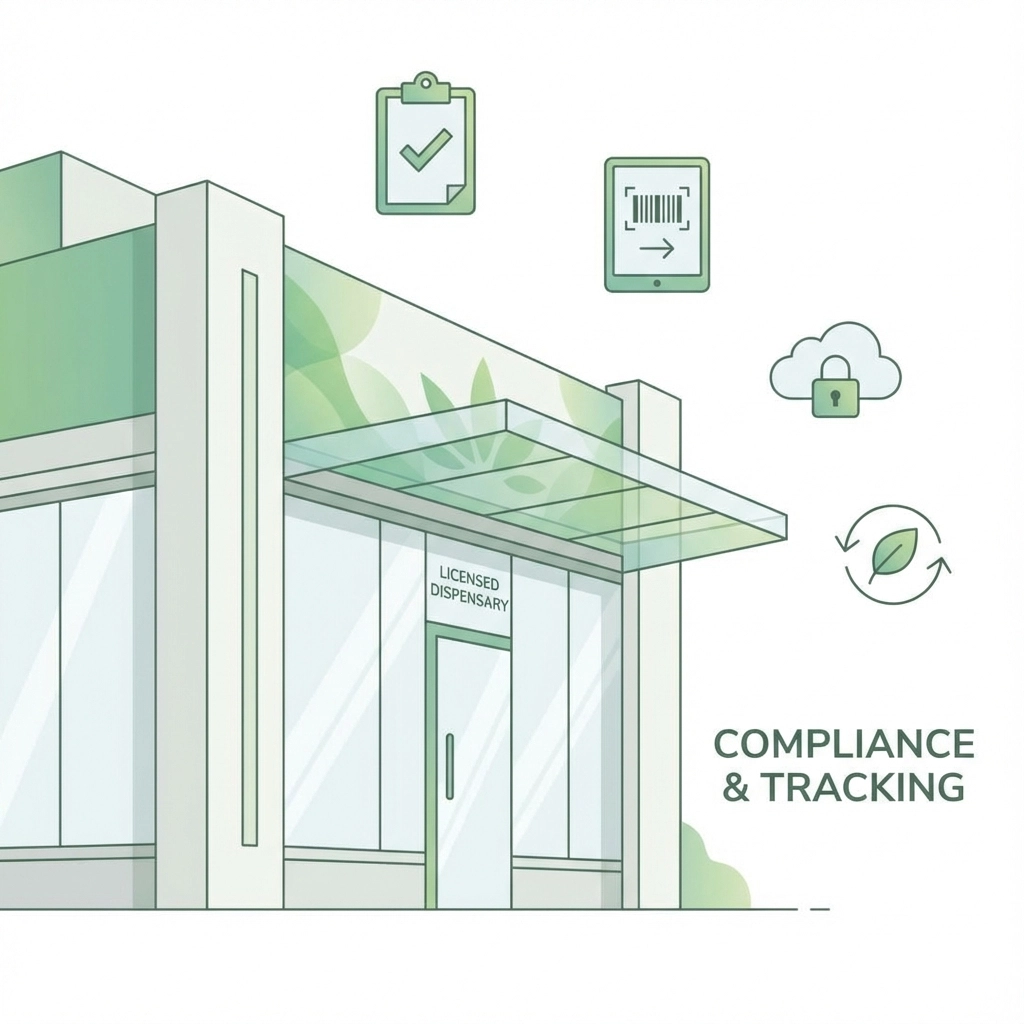
The enhanced enforcement framework also includes provisions for improved product tracking and inventory management systems that ensure product safety and regulatory compliance throughout the supply chain. Dispensaries must now implement more sophisticated tracking mechanisms that provide detailed information about product origin, testing results, and distribution patterns.
Consumer access improvements under recent legislation include enhanced product labeling requirements and standardized testing protocols that provide consumers with more detailed information about cannabis products. These requirements ensure that consumers receive consistent, accurate information about product potency, contaminants, and safety testing results across all licensed dispensaries.
The regulatory changes also affect product availability and pricing structures within the New Mexico cannabis market. Enhanced compliance requirements may influence operational costs for dispensaries, which could affect product pricing and availability for consumers. However, improved regulatory oversight also enhances consumer confidence and product quality standards throughout the market.

Compliance Requirements and Industry Standards
The evolving regulatory environment in New Mexico establishes specific compliance requirements that dispensaries must implement to maintain licensing and operational authorization. Recent legislative changes introduce enhanced record-keeping requirements that mandate comprehensive documentation of product handling, sales transactions, and inventory management procedures.
Dispensaries must now maintain detailed compliance logs that track product movement from cultivation facilities through final consumer sales. This tracking requirement ensures product safety and regulatory oversight while providing authorities with comprehensive information about market dynamics and consumer purchasing patterns. The enhanced tracking requirements also facilitate rapid response capabilities for product recalls or safety concerns.
Testing and quality assurance protocols under recent legislation require dispensaries to verify that all products meet established safety standards before retail sale. These requirements include verification of testing results for potency, pesticides, heavy metals, and microbial contaminants. Dispensaries must maintain documentation proving that all products comply with established safety standards and testing protocols.
Staff training requirements under enhanced compliance frameworks mandate that dispensary employees receive regular education about product safety, regulatory compliance, and customer service standards. These training requirements ensure that dispensary staff can provide accurate information to consumers while maintaining compliance with all applicable regulations and safety protocols.
Market Dynamics and Economic Implications
The regulatory changes in New Mexico influence market dynamics and economic conditions within the cannabis industry through enhanced compliance costs and improved market stability. Enhanced enforcement mechanisms may increase operational costs for dispensaries but also create more predictable regulatory environments that facilitate long-term business planning and investment decisions.
Improved regulatory oversight enhances market legitimacy and consumer confidence, which can drive increased participation in the legal cannabis market. Enhanced product quality standards and safety protocols attract consumers who prioritize product safety and regulatory compliance over lower-cost alternatives in unregulated markets.
The regulatory framework also affects competition patterns within the New Mexico cannabis market by establishing standardized operational requirements that apply equally to all licensed dispensaries. These standards create competitive environments based on customer service, product quality, and operational efficiency rather than regulatory arbitrage or compliance shortcuts.
Economic implications of enhanced regulation include potential consolidation pressures within the cannabis industry as smaller operators face increased compliance costs and administrative requirements. However, improved regulatory frameworks also attract institutional investment and professional management practices that enhance industry professionalization and operational standards.
Consumer Education and Safety Considerations
Recent regulatory developments in New Mexico emphasize consumer education and safety considerations that directly affect how dispensaries interact with customers and provide product information. Enhanced labeling requirements mandate that all cannabis products include detailed information about potency, dosage recommendations, and potential health considerations.
Dispensaries must now provide comprehensive educational resources that help consumers make informed decisions about cannabis product selection and usage patterns. These educational requirements include information about different product categories, consumption methods, and potential effects or contraindications. The educational mandate ensures that consumers receive consistent, accurate information regardless of which licensed dispensary they visit.
Safety protocols under recent legislation require dispensaries to implement enhanced security measures that protect both products and customers. These security requirements include improved surveillance systems, secure storage protocols, and staff training programs that address safety and security concerns. The enhanced security framework also includes coordination with local law enforcement agencies for incident response and crime prevention.
Product packaging and storage requirements under recent regulations ensure that cannabis products remain safe and effective throughout the retail distribution process. These requirements include temperature control protocols, contamination prevention measures, and child-resistant packaging standards that protect both product integrity and public safety.
Future Outlook and Industry Development
The regulatory trajectory in New Mexico suggests continued refinement of cannabis policy through legislative action and administrative rule-making processes. Future developments will likely address emerging issues such as social equity programs, interstate commerce opportunities, and expanded product categories that reflect evolving consumer preferences and market dynamics.
Industry development patterns indicate increasing professionalization within the New Mexico cannabis market as regulatory requirements drive improved operational standards and business practices. This professionalization trend benefits consumers through enhanced product quality and safety while creating more stable business environments for licensed operators.
The potential for federal policy changes regarding cannabis scheduling continues to influence long-term planning within the New Mexico cannabis industry. Federal rescheduling would create opportunities for expanded banking relationships, interstate commerce, and reduced regulatory compliance burdens that could significantly benefit both dispensaries and consumers.
Technological advancement within the cannabis industry also influences regulatory development as new testing methods, tracking systems, and product innovations require updated regulatory frameworks. New Mexico's approach to cannabis regulation demonstrates flexibility in adapting to technological changes while maintaining comprehensive oversight and consumer protection standards.
The ongoing evolution of cannabis regulation in New Mexico reflects the state's commitment to maintaining effective oversight while supporting industry development and consumer access. Recent legislative developments provide a foundation for continued growth and improvement within the legal cannabis market while addressing enforcement concerns and regulatory gaps that emerged during initial implementation phases.
How will these regulatory developments affect your experience as a cannabis consumer in New Mexico?