

The transition into 2026 presents an opportunity for individuals to establish wellness practices that support both mental and physical health. Cannabis, when approached with intentionality and proper education, can serve as a valuable component in a comprehensive wellness strategy. Groth Industries recognizes the importance of providing evidence-based guidance for those seeking to incorporate cannabis into their health and motivation routines during this period of renewed focus and goal-setting.
Mindful Consumption as a Foundation for Wellness
The practice of mindful consumption represents a fundamental shift from habitual use to intentional engagement with cannabis products. This approach requires individuals to consider their specific wellness goals, current mental state, and desired outcomes before selecting particular strains or consumption methods. Research indicates that purposeful cannabis use can support various wellness objectives when combined with proper education and product selection.

Establishing a mindful consumption routine involves several key components that contribute to overall wellness success. Users benefit from maintaining consumption journals that track strain effects, dosage amounts, and correlating mood or energy levels. This systematic approach allows for the optimization of product selection based on individual physiological responses and wellness objectives.
The timing of consumption plays a crucial role in supporting daily wellness routines. Morning consumption of energizing sativa strains can enhance focus and motivation for goal-oriented activities, while evening indica use supports relaxation and restorative sleep patterns. This intentional scheduling creates a framework for cannabis to complement rather than interfere with established wellness practices.
Stress Management Through Strategic Cannabis Use
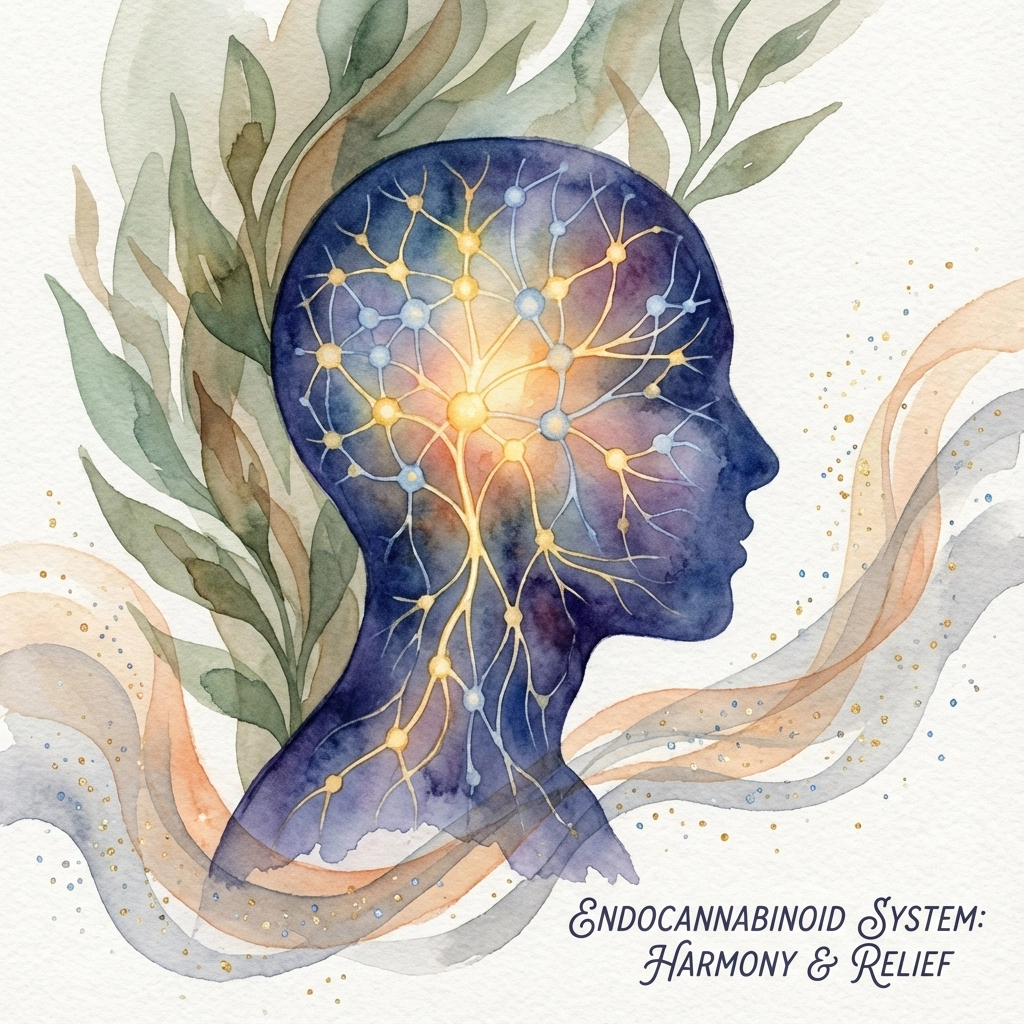
The physiological and psychological benefits of cannabis for stress reduction have been documented across multiple research studies. The endocannabinoid system's role in regulating stress responses makes cannabis a potentially valuable tool for individuals seeking natural stress management alternatives. However, the effectiveness of cannabis for stress reduction depends heavily on proper strain selection and dosage control.
High-CBD strains demonstrate particular efficacy for anxiety reduction without the psychoactive effects that may interfere with daily productivity. These products allow users to maintain mental clarity while experiencing the calming effects that support stress management goals. The ratio of CBD to THC becomes a critical factor in achieving desired stress relief outcomes.
Micro-dosing techniques offer another approach to stress management that supports sustained wellness throughout daily activities. This method involves consuming minimal amounts of cannabis at regular intervals to maintain therapeutic benefits without impairment. The practice requires patience and careful observation to determine optimal dosing schedules that align with individual stress patterns and lifestyle demands.
Developing Healthy Cannabis Rituals
The integration of cannabis into established wellness routines creates opportunities for enhanced self-care practices. Combining cannabis consumption with meditation, yoga, or journaling can amplify the benefits of these activities while creating positive associations with wellness behaviors. These ritualistic approaches help establish cannabis as a tool for personal development rather than mere recreational consumption.
Pre-workout cannabis use, particularly with specific terpene profiles, can enhance focus and motivation for physical exercise. Strains containing limonene and pinene demonstrate energizing properties that support athletic performance when used in appropriate dosages. This application of cannabis extends its utility beyond relaxation into active wellness promotion.

Evening wind-down rituals benefit from the incorporation of indica-dominant strains that promote relaxation and sleep quality improvement. Creating consistent bedtime routines that include cannabis consumption can help regulate circadian rhythms and support the restorative sleep necessary for overall health maintenance. The key lies in establishing regular timing and appropriate dosage amounts that facilitate natural sleep patterns.
Community Connection and Local Wellness
Groth Industries' commitment to community wellness extends beyond individual product sales to encompass broader health education and support networks. The dispensary's role in promoting responsible cannabis use contributes to overall community health outcomes through educational initiatives and product quality assurance. This community-focused approach recognizes that individual wellness connects to collective well-being.
Local sourcing practices ensure product quality while supporting regional economic development. The transparency provided through local cultivation allows consumers to make informed decisions about product origins and cultivation methods. This knowledge contributes to a sense of connection between consumers and their wellness choices, enhancing the overall therapeutic experience.
Educational workshops and community events create opportunities for knowledge sharing and peer support among cannabis users pursuing wellness goals. These gatherings facilitate the exchange of experiences and strategies that can benefit individual wellness journeys while building supportive community networks.
Product Selection for Wellness Goals
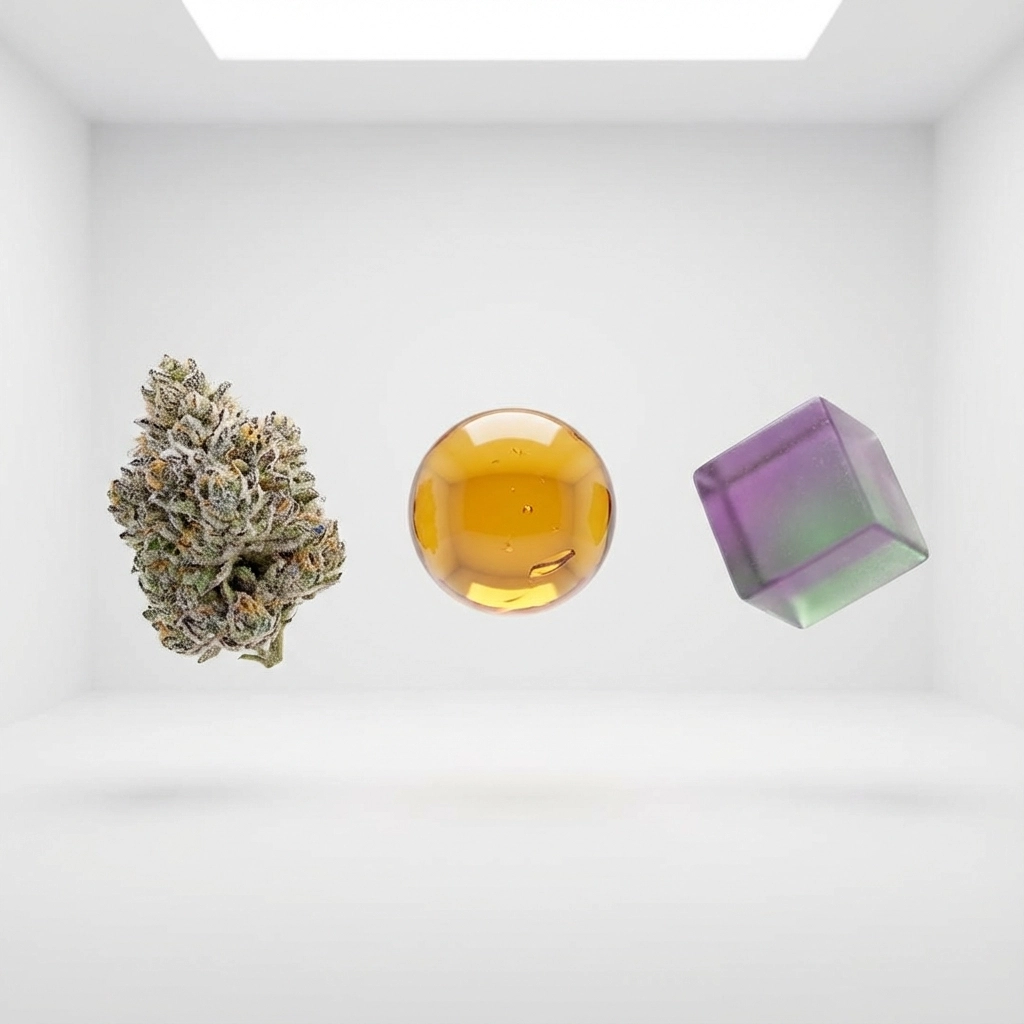
The diverse range of cannabis products available through Groth Industries requires careful consideration of individual wellness objectives and consumption preferences. Flower products offer versatility in dosing and strain selection, allowing users to customize their experience based on immediate needs and long-term goals. The ability to mix different strains enables the creation of personalized cannabinoid profiles that support specific wellness outcomes.

Concentrate products provide precise dosing capabilities that support micro-dosing strategies and consistent therapeutic effects. These products offer enhanced potency that can be beneficial for individuals with higher tolerance levels or specific medical needs. The controlled dosing possible with concentrates supports the development of sustainable wellness routines.
Edible products deliver extended therapeutic effects that can support sustained wellness throughout longer periods. The delayed onset and prolonged duration of edibles make them particularly suitable for stress management and sleep support applications. Understanding the timing and dosage requirements for edibles becomes essential for effective integration into wellness routines.
Implementation Strategies for Long-term Success
Successful integration of cannabis into wellness routines requires systematic planning and gradual implementation. Beginning with low dosages and single cannabinoid products allows users to understand individual responses before progressing to more complex formulations. This methodical approach minimizes adverse effects while maximizing therapeutic benefits.
Setting specific, measurable wellness goals provides a framework for evaluating the effectiveness of cannabis-supported wellness strategies. Regular assessment of progress toward these goals enables users to adjust their approach and optimize product selection. Documentation of outcomes supports evidence-based decision-making regarding continued cannabis use for wellness purposes.
The establishment of boundaries and consumption limits prevents the development of problematic use patterns that could undermine wellness objectives. Creating structured consumption schedules and adhering to predetermined dosage limits maintains the therapeutic relationship between cannabis use and wellness outcomes. This disciplined approach ensures that cannabis remains a tool for health promotion rather than becoming a dependency.
Professional consultation with healthcare providers familiar with cannabis therapeutics can provide additional guidance for individuals pursuing cannabis-supported wellness strategies. Medical supervision becomes particularly important for individuals with existing health conditions or those taking other medications that may interact with cannabis compounds.
The journey toward improved wellness through mindful cannabis use requires commitment, education, and support from knowledgeable professionals and community members. How will you begin incorporating these evidence-based strategies into your 2026 wellness planning?