
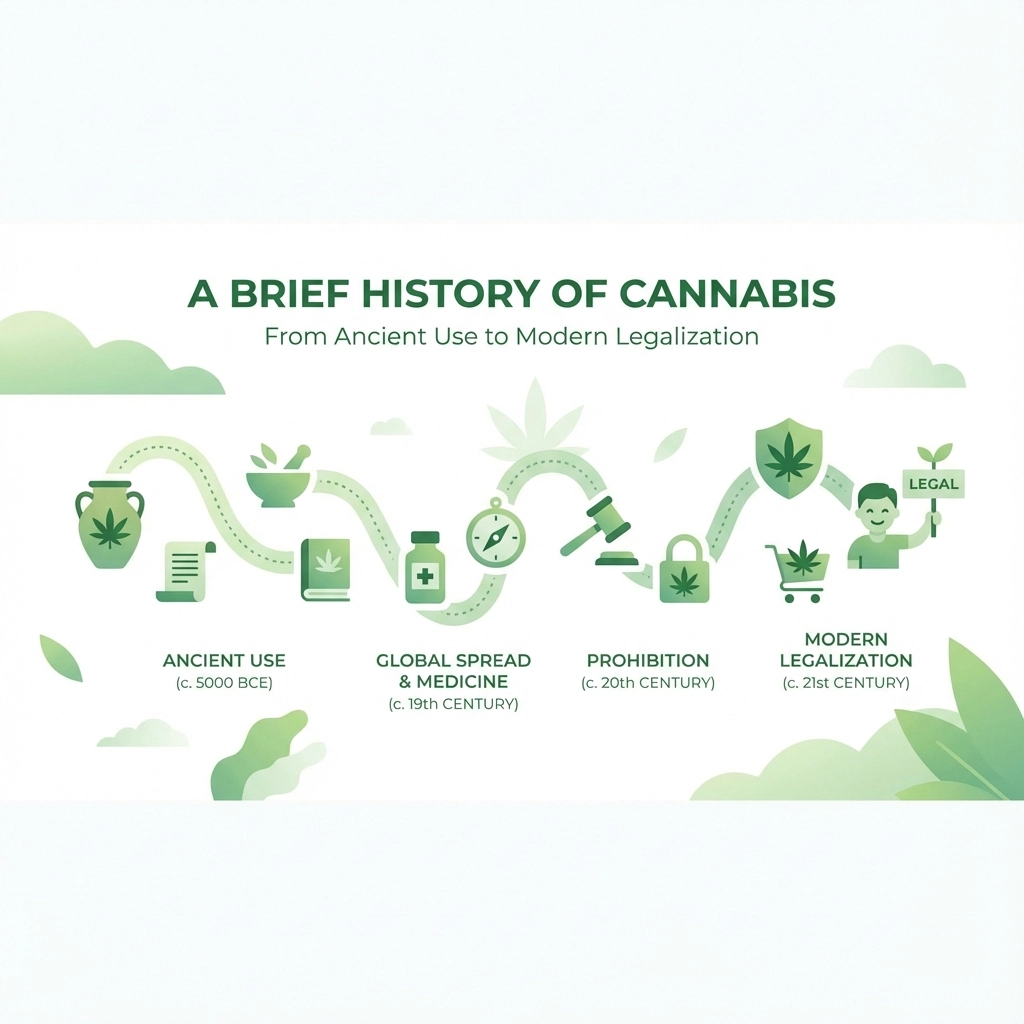
Cannabis represents one of humanity's oldest cultivated plants, with archaeological evidence demonstrating continuous human interaction spanning thousands of years across diverse civilizations and geographical regions. The plant's journey from sacred medicine to prohibited substance and back toward legal acceptance illustrates the complex relationship between botanical resources, cultural practices, and governmental policies. Understanding this historical trajectory provides essential context for comprehending today's evolving cannabis industry and regulatory landscape.
Ancient Origins and Early Cultivation Practices
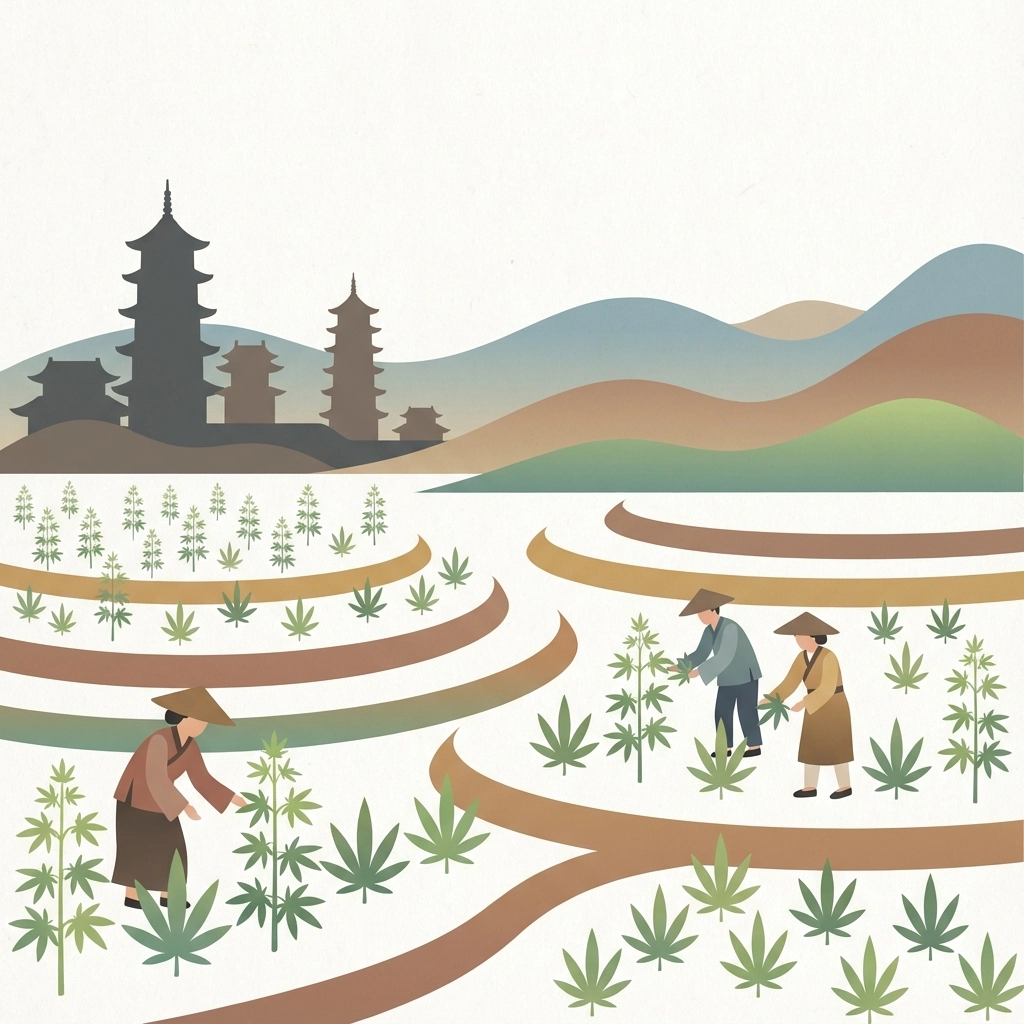
Archaeological evidence indicates that cannabis cultivation began approximately 12,000 years ago in the mountainous regions of Central Asia, particularly near present-day China and Mongolia. Early human settlements recognized the plant's versatility, utilizing different components for distinct purposes including fiber production, nutritional sustenance, and medicinal applications. Chinese agricultural texts from 2800 BCE document Emperor Shen Nung's systematic cataloging of cannabis properties, establishing foundational knowledge that influenced medical practices for subsequent millennia.
The ancient Chinese civilization developed sophisticated understanding of cannabis cultivation techniques, breeding practices, and processing methods. Hemp fiber became integral to textile production, while cannabis seeds provided nutritional value as a food source. Medical practitioners identified specific applications for different plant components, distinguishing between male and female plants based on their therapeutic properties. These early innovations established precedents for agricultural and medical practices that persisted across cultures and centuries.
Expansion Across Ancient Civilizations
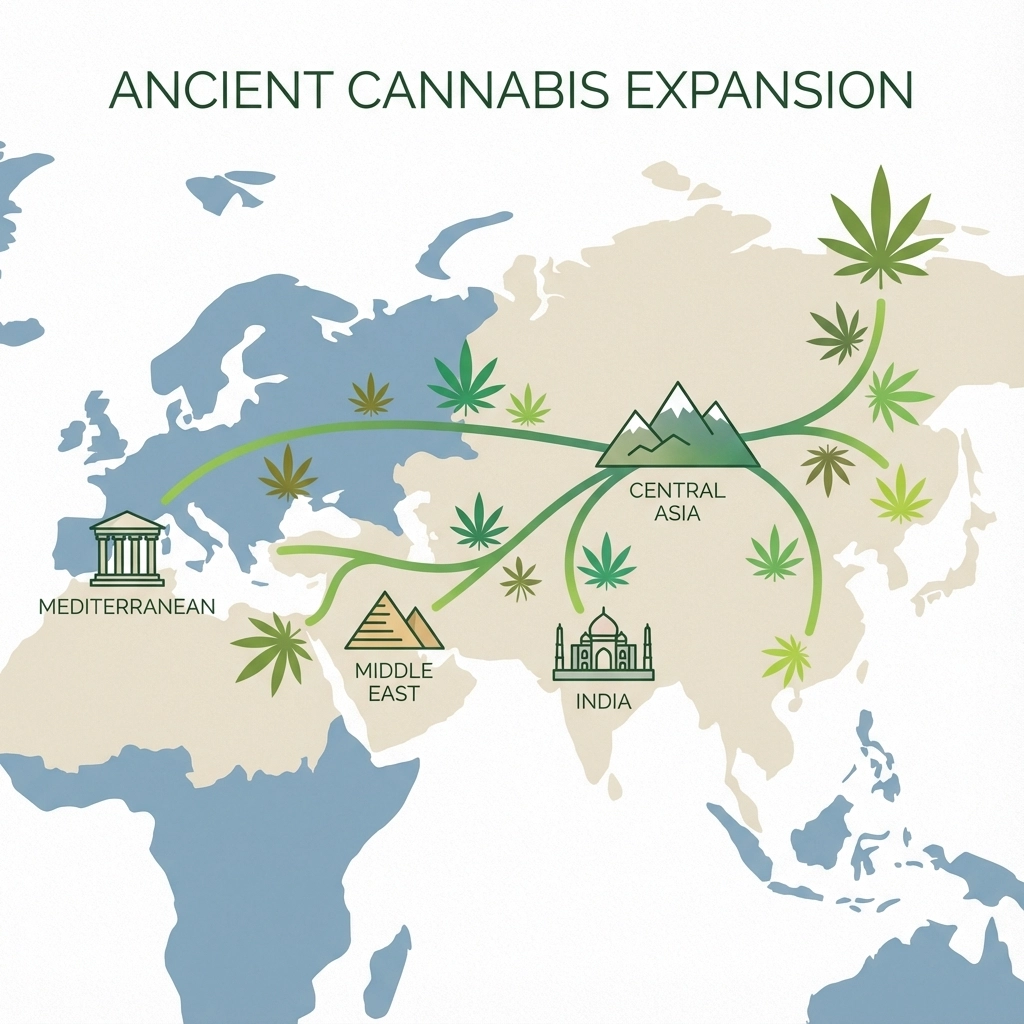
Cannabis cultivation spread throughout ancient trade networks, reaching India around 1500 BCE where it became deeply embedded in religious and cultural practices. The plant appeared in sacred Hindu texts, including the Atharvaveda, where it was described as a source of happiness and liberation from anxiety. Indian practitioners developed sophisticated preparation methods, including bhang, charas, and ganja, each serving specific ceremonial and medicinal purposes within established cultural frameworks.
Mediterranean civilizations adopted cannabis through expanding trade relationships with Asian cultures. Greek physicians, including Galen, documented therapeutic applications for pain management and inflammatory conditions. Roman medical texts from the first century CE detailed specific preparations for treating earaches, gout, and various forms of physical discomfort. These documented practices demonstrate systematic medical knowledge rather than casual recreational use, indicating professional medical communities recognized cannabis as a legitimate therapeutic tool.
Persian and Arabian cultures further refined cannabis preparation techniques, developing hashish extraction methods that concentrated psychoactive compounds for both medicinal and recreational purposes. These innovations influenced subsequent European knowledge when trade relationships expanded during medieval periods. The systematic documentation of preparation methods and therapeutic applications across multiple civilizations indicates widespread recognition of cannabis medicinal properties.
Medieval European Integration and Industrial Development
Cannabis entered European agricultural systems during medieval periods through expanding trade networks and cultural exchange. European cultivators focused primarily on hemp fiber production for textile manufacturing, rope production, and paper creation rather than medicinal applications. The plant became economically significant for maritime nations requiring durable materials for naval vessels and shipping operations.
Medieval European medical texts incorporated cannabis knowledge from Greek and Arabic sources, though applications remained limited compared to Asian and Middle Eastern practices. Monasteries maintained medicinal gardens that occasionally included cannabis plants, though documentation suggests infrequent use compared to other herbal remedies. The plant's industrial value overshadowed medical applications in European contexts, establishing patterns that influenced colonial agricultural policies.
Industrial hemp cultivation expanded throughout medieval Europe as technological innovations increased demand for textile fibers and paper materials. French and English agricultural policies encouraged hemp cultivation to support domestic manufacturing industries and reduce dependence on imported materials. These economic considerations established hemp as a strategic agricultural commodity rather than merely a medicinal plant.
Colonial American Agriculture and Industrial Hemp
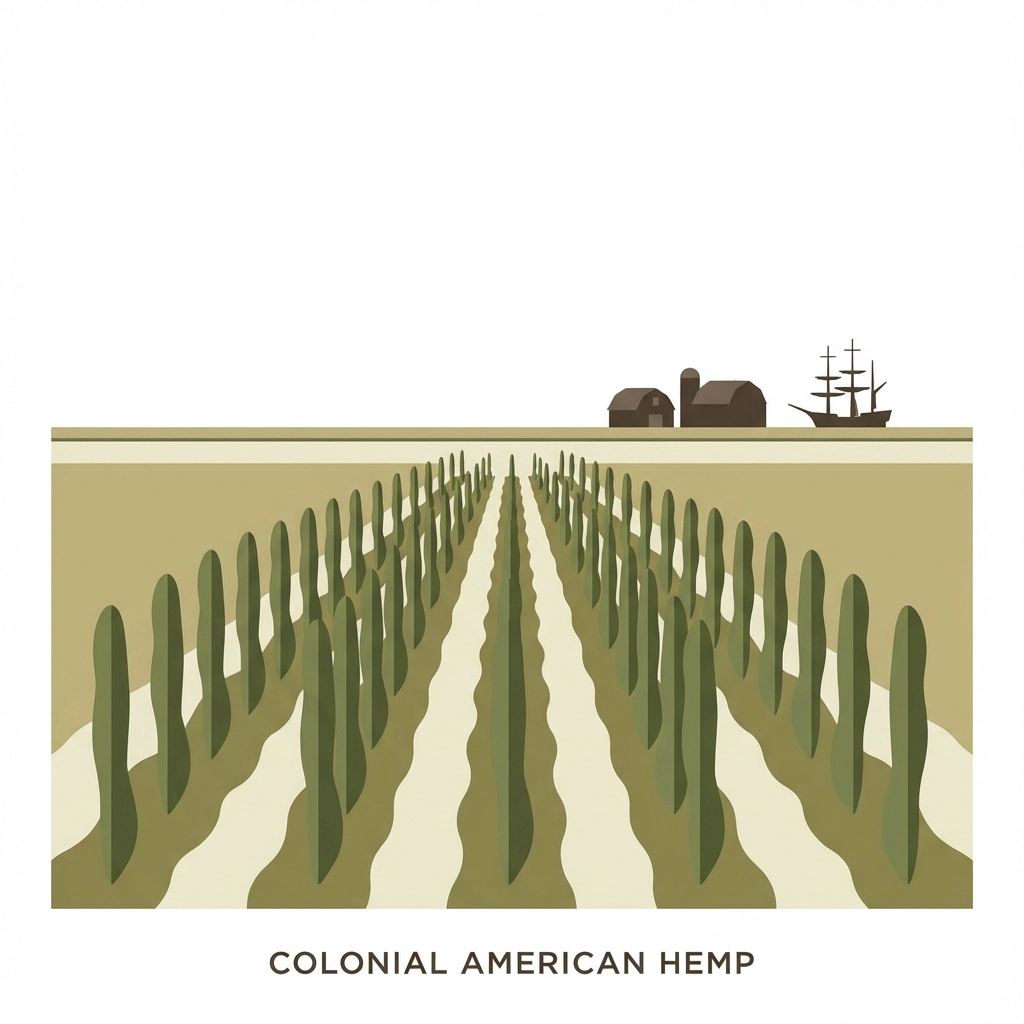
Cannabis arrived in North America through European colonial settlement, beginning with Virginia's Jamestown colony in 1619. Colonial governments mandated hemp cultivation for strategic industrial purposes, requiring farmers to dedicate portions of their agricultural land to hemp production. The plant provided essential materials for rope, sailcloth, and paper production necessary for colonial development and maritime commerce.
American hemp cultivation expanded throughout colonial territories, with George Washington and Thomas Jefferson maintaining hemp crops on their plantations. Jefferson advocated for hemp cultivation as an alternative to tobacco, recognizing its industrial value and agricultural sustainability. Colonial hemp supported domestic manufacturing industries and reduced dependence on imported materials from European suppliers.
The American Revolution increased hemp cultivation as domestic material production became strategically important for military and civilian applications. Hemp fiber provided materials for uniforms, rope, and paper production necessary for revolutionary activities. Post-revolutionary agricultural policies continued promoting hemp cultivation as part of national economic development strategies.
Twentieth Century Prohibition and Regulatory Changes
The early twentieth century marked significant shifts in cannabis perception and legal status throughout American society. The Marihuana Tax Act of 1937 effectively prohibited cannabis cultivation and distribution through prohibitive taxation rather than direct criminalization. This legislation reflected changing social attitudes influenced by racial prejudice, economic competition, and moral reform movements rather than scientific evidence regarding plant safety or medical efficacy.
Subsequent federal legislation, including the Controlled Substances Act of 1970, classified cannabis as a Schedule I substance alongside heroin and LSD. This classification indicated governmental determination that cannabis possessed high abuse potential with no accepted medical value, contradicting thousands of years of documented therapeutic applications. The scheduling decision influenced medical research, criminal justice policies, and social attitudes for subsequent decades.
Modern Legalization Movement and Policy Evolution
Contemporary cannabis legalization began with California's Proposition 215 in 1996, establishing legal frameworks for medical cannabis access under state jurisdiction. This initiative challenged federal prohibition by asserting state authority over medical treatment decisions and patient access to therapeutic substances. Subsequent state initiatives expanded medical cannabis programs throughout American territories, creating complex legal relationships between state and federal authorities.
Recreational cannabis legalization accelerated during the 2010s as Colorado and Washington implemented comprehensive regulatory frameworks for adult-use cannabis markets. These programs demonstrated successful models for taxation, regulation, and public safety management that influenced policy development in additional jurisdictions. Current trends indicate expanding acceptance of cannabis legalization across diverse demographic and geographic constituencies.
Recent federal policy developments suggest potential modifications to cannabis scheduling and regulatory approaches. The 2018 Farm Bill removed hemp from controlled substance classifications, distinguishing between cannabis varieties based on THC concentrations rather than botanical classification. These changes indicate evolving governmental perspectives on cannabis prohibition and regulation.
Contemporary Scheduling Discussions and Future Implications
Current discussions regarding cannabis rescheduling focus on moving the substance from Schedule I to Schedule III classification, acknowledging medical value while maintaining federal regulatory oversight. This potential change would facilitate medical research, banking relationships, and interstate commerce while preserving governmental control over distribution and access. Such modifications represent significant departures from prohibition-era policies that dominated twentieth-century approaches.
The evolving regulatory landscape creates opportunities for legitimate businesses like dispensaries to operate within established legal frameworks while serving community medical and recreational needs. Professional cannabis retailers provide regulated products, educational resources, and safe consumption environments that support responsible use practices. These developments represent fundamental shifts from prohibition toward regulation and normalization.
Understanding cannabis history provides essential context for navigating contemporary legal and social environments surrounding the plant and its various applications. Historical perspectives demonstrate the arbitrary nature of prohibition policies while highlighting traditional medicinal and industrial uses that preceded contemporary restrictions.
Would you like to explore how these historical developments influence current cannabis regulations and business practices in your local area?