

Cannabigerol, commonly referred to as CBG, represents one of the most promising non-intoxicating cannabinoids for supporting overall physiological balance and wellness. As research continues to emerge around this "mother cannabinoid," scientific evidence suggests that CBG may contribute to immune system regulation, stress management, and systemic homeostasis through multiple molecular pathways.
Understanding CBG's Role in Physiological Balance
CBG operates as a non-psychoactive cannabinoid that interacts with the body's endocannabinoid system, a complex network responsible for maintaining homeostasis across numerous physiological processes. The endocannabinoid system regulates appetite, metabolism, chronic pain management, inflammation and immune responses, mood stabilization, learning and memory functions, motor control, sleep patterns, cardiovascular health, muscle formation, bone remodeling, liver function, reproductive processes, stress responses, and skin and nerve function.
Research indicates that CBG influences this system through interactions with cannabinoid receptors CB1 and CB2, as well as transient receptor potential channels and α2-adrenergic receptors. These molecular interactions create a foundation for CBG's potential therapeutic applications across multiple body systems.
Immune System Support and Anti-Inflammatory Properties
Scientific studies demonstrate that CBG exhibits significant anti-inflammatory and antioxidant properties that may contribute to immune system support. CBG activates peroxisome proliferator-activated receptor gamma (PPARγ) and modulates superoxide dismutase-1 (SOD-1), an antioxidant enzyme that maintains cellular balance between oxidants and antioxidants. This mechanism helps protect cells from oxidative stress while supporting natural inflammatory responses.
Research has documented CBG's ability to regulate cell apoptosis, a critical process for removing damaged or unnecessary cells from the body. This regulatory function supports immune system efficiency by ensuring that cellular turnover occurs appropriately. Additionally, laboratory studies have identified CBG's antibacterial activity against various bacterial strains, including methicillin-resistant Staphylococcus aureus (MRSA), suggesting potential contributions to immune defense mechanisms.
The anti-inflammatory effects of CBG extend beyond immediate immune responses to encompass broader systemic inflammation management. These properties may prove particularly relevant for individuals seeking natural approaches to inflammation balance as part of comprehensive wellness strategies.
Stress Response Regulation and Resilience Building
CBG demonstrates notable effects on stress response regulation through its interaction with the nervous system. Research indicates that CBG acts as a GABA reuptake inhibitor while upregulating α2-adrenergic receptors. This dual mechanism can reduce norepinephrine release, helping to modulate nervous system activation during unnecessary stress responses.
The cannabinoid's ability to boost anandamide levels represents another pathway for stress management and emotional resilience. Anandamide, often referred to as the body's "bliss molecule," plays a crucial role in mood regulation and stress adaptation. By supporting natural anandamide function, CBG may contribute to improved emotional balance and stress resilience.
These neurological effects position CBG as a potential tool for individuals seeking natural approaches to stress management without the intoxicating effects associated with THC. The non-psychoactive nature of CBG allows for daytime use and integration into daily wellness routines without impairment concerns.
Systemic Balance and Homeostatic Support
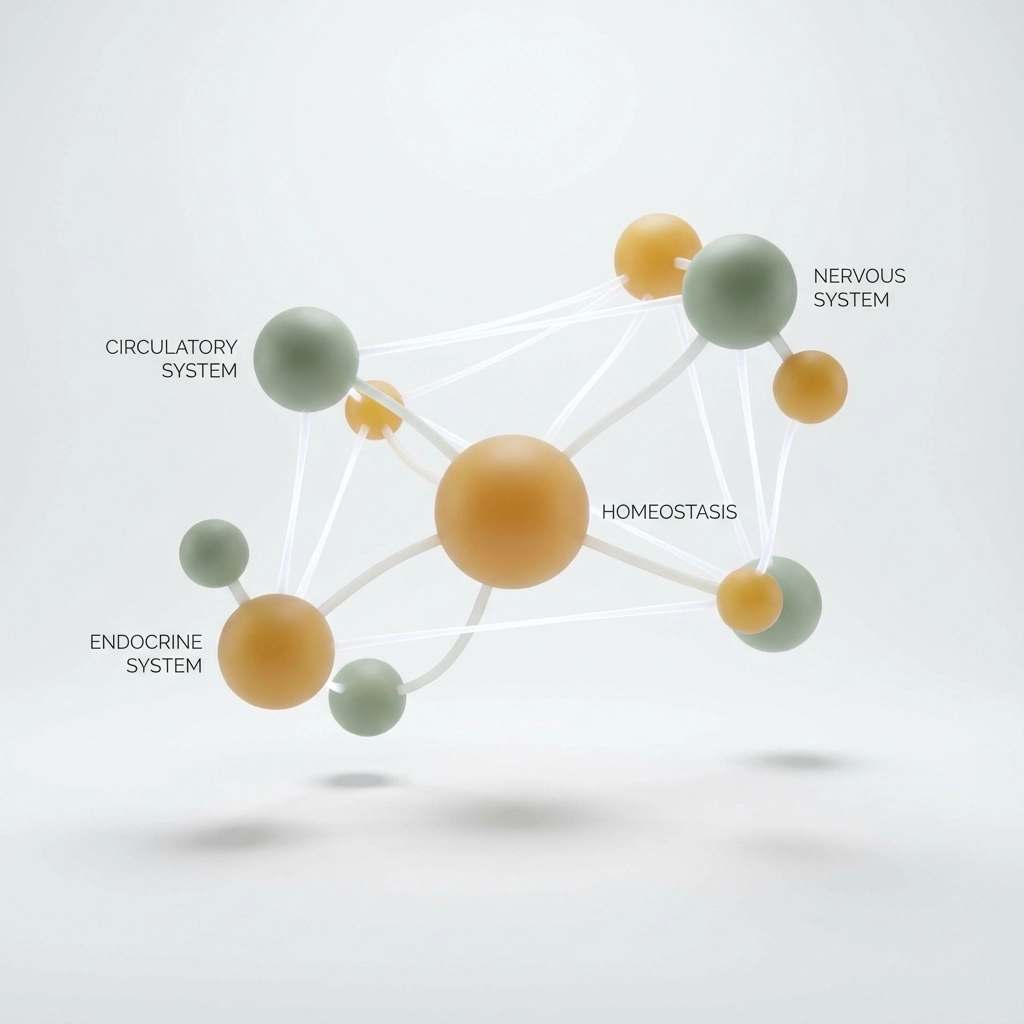
The endocannabinoid system's broad influence across physiological processes creates opportunities for CBG to support systemic balance. Research suggests that CBG may contribute to cardiovascular function regulation, bone health maintenance, sleep pattern optimization, and metabolic balance. These wide-ranging effects reflect the endocannabinoid system's role as a master regulatory network.
Studies indicate that CBG may influence brown adipose tissue activity, potentially supporting weight management through enhanced metabolic function. The cannabinoid's effects on pain management and neuroprotection further demonstrate its potential for comprehensive wellness support.
CBG's ability to support digestive function represents another avenue for systemic balance. Research has documented potential benefits for digestive health, which connects to overall immune function and nutrient absorption efficiency.
Groth Industries' CBG Product Recommendations
Groth Industries offers carefully selected CBG products designed to support your wellness journey with quality and consistency. Our CBG tinctures provide precise dosing options for individuals new to cannabinoid wellness, while our CBG-dominant flower products offer traditional consumption methods for experienced users.
CBG isolate products available through Groth Industries deliver pure cannabigerol without other cannabinoids, allowing for targeted wellness applications. These products undergo rigorous third-party testing to ensure purity and potency consistency.
For those interested in comprehensive cannabinoid wellness, our full-spectrum CBG products combine CBG with other beneficial cannabinoids and terpenes to support the entourage effect. This approach may enhance the overall therapeutic potential of your cannabinoid wellness routine.

Incorporating CBG into Wellness Routines
Successful CBG integration begins with understanding individual wellness goals and current health status. Starting with low doses allows for gradual system adaptation while monitoring individual responses. CBG's non-intoxicating nature makes it suitable for morning wellness routines, workplace stress management, or evening relaxation protocols.
Combining CBG with other wellness practices such as meditation, exercise, and balanced nutrition may enhance overall benefits through synergistic effects. The cannabinoid's stress-modulating properties complement mindfulness practices, while its anti-inflammatory effects may support exercise recovery.
Consistency in CBG use appears important for optimal benefits, as the endocannabinoid system responds to regular support rather than intermittent use. Establishing a routine that incorporates CBG at consistent times may enhance its homeostatic effects.
Research Limitations and Safety Considerations
Current CBG research remains primarily limited to animal models and laboratory studies, with human clinical trials representing an emerging area of investigation. While preliminary findings demonstrate promising therapeutic potential, additional research is necessary to fully establish clinical efficacy and optimal dosing protocols.
High-dose CBG administration has shown potential adverse effects on liver function and architecture in some studies, highlighting the importance of appropriate dosing and medical consultation for individuals with existing health conditions. These findings emphasize the need for responsible use and professional guidance when incorporating CBG into wellness routines.
The non-intoxicating nature of CBG provides safety advantages over psychoactive cannabinoids, but individual responses may vary. Consulting with healthcare providers familiar with cannabinoid medicine ensures safe integration with existing medications and health management strategies.
Quality Considerations and Product Selection
CBG product quality varies significantly across manufacturers, making careful selection essential for optimal wellness outcomes. Third-party laboratory testing provides verification of cannabinoid content, pesticide absence, heavy metal screening, and microbial safety. These quality assurance measures ensure that CBG products deliver expected potency without harmful contaminants.
Extraction methods influence CBG product quality and bioavailability. CO2 extraction and ethanol extraction represent preferred methods for maintaining cannabinoid integrity while avoiding harmful solvents. Understanding extraction processes helps consumers make informed decisions about product selection.
Certificate of analysis documentation should accompany quality CBG products, providing transparency about cannabinoid profiles, terpene content, and safety testing results. This documentation enables consumers to verify product claims and ensure consistent dosing.
Future Directions in CBG Research
Emerging research directions include human clinical trials investigating CBG's effects on specific health conditions, optimal dosing protocols, and long-term safety profiles. These studies will provide crucial data for establishing evidence-based CBG wellness applications.
Research into CBG's interactions with other cannabinoids and therapeutic compounds may reveal enhanced wellness protocols through strategic combinations. The entourage effect represents an active area of investigation that could optimize CBG's therapeutic potential.
Understanding individual variations in CBG metabolism and response may lead to personalized dosing recommendations and targeted wellness applications. Genetic factors, microbiome composition, and lifestyle variables may influence optimal CBG protocols for different individuals.
CBG represents a promising avenue for natural wellness support through its multiple mechanisms of action and non-intoxicating properties. As research continues to expand our understanding of this remarkable cannabinoid, individuals seeking balanced approaches to immunity and resilience may find valuable support through quality CBG products. Visit Groth Industries to explore our curated selection of laboratory-tested CBG products designed to support your wellness journey with confidence and consistency.